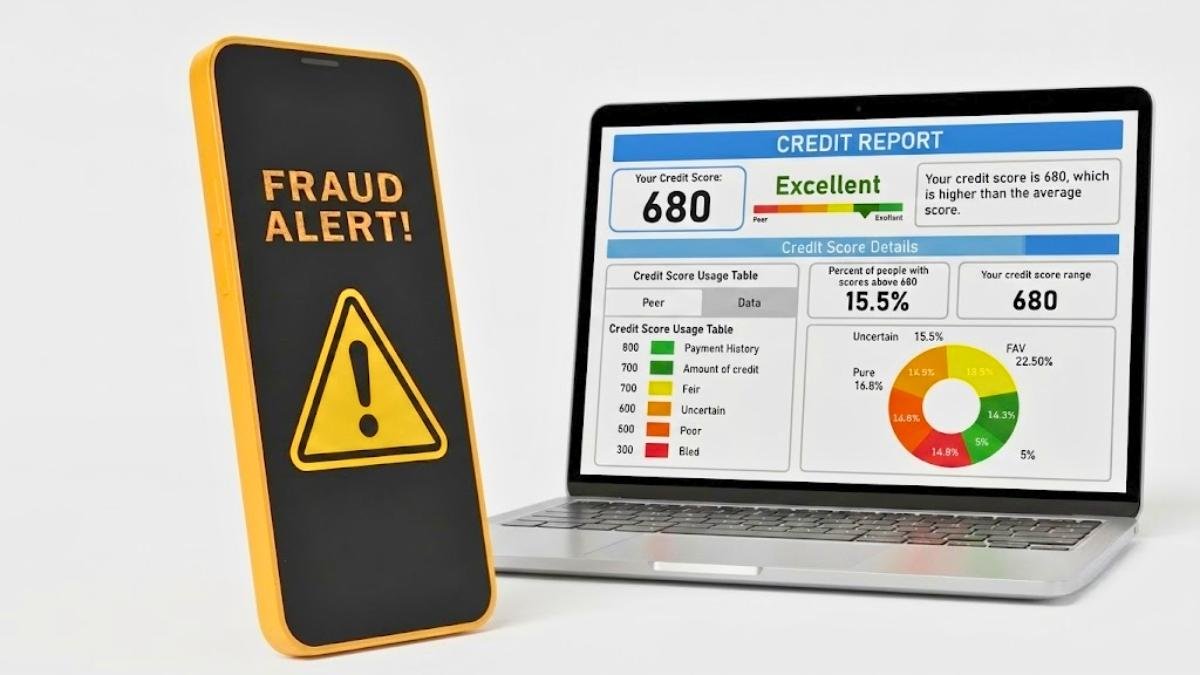
Keeping an eye on your financial history is just one of those things we all know we should do, but it often gets pushed to the back burner. However, figuring out how to monitor your credit for fraud is actually one of the easiest ways to protect your cash and secure your online accounts. With data leaks making the news so often these days, leaving your details untracked makes it a lot easier for identity theft to slip under the radar.
The tricky part is that when a thief gets ahold of your Social Security Number, they don’t always use it right away. In fact, many people have no idea their information has been compromised for months until they apply for a car loan or get a surprise call from a collection agency.
The good news is that staying on top of your consumer reports doesn’t mean you have to pay for pricey monthly subscriptions or deal with confusing software. By using a few free tools and setting up a simple routine, you can spot suspicious activity before it turns into a major headache. Quite a few people only catch these issues by accident while checking their paperwork for something completely unrelated, so being a little proactive goes a long way. This guide will walk you through setting up free tracking, what red flags to watch out for, and exactly what to do if you find something that shouldn’t be there.
Table of Contents
The Step-by-Step Blueprint: Checking Your Consumer Files for Unauthorized Activity
Protecting your accounts doesn’t have to be a daily chore; it’s really just about building a regular habit. Instead of waiting for a bank teller to flag a problem, you can use automated alerts and free tracking options to scan for warning signs on your own terms.
Access Your Free Official Annual Credit Documents
- A simple way to do this: Head over to the official, government-authorized site at AnnualCreditReport.com to pull your files from the main reporting bureaus.
- Here’s how it works: Federal law used to limit these free reports to once a year, but the major agencies now let you check your files online every week at no cost.
- What to check: These official documents give you the complete picture of your borrowing history. Checking them directly is the most reliable way to make sure nobody has opened credit cards or personal loans using your name.
Activate Free Credit Tracking Services
- An easy starting point: Sign up for a few trusted, free personal finance apps or credit card features that offer ongoing updates.
- How to use it: Many major banks and independent apps give you free access to your scores and dashboard summaries, which refresh automatically every couple of weeks.
- Why it helps: These services use “soft inquiries,” which means they won’t lower your score. They’ll send a quick notification or email the moment something changes on your report, giving you an immediate heads-up if an unfamiliar inquiry pops up.
Set Up Real-Time Transaction and Balance Alerts
- Another important step: Log into your mobile banking apps and credit card accounts to turn on instant notifications for any activity.
- Setting it up: Turn on alerts for transactions over a specific amount (even as low as a dollar), international charges, and online purchases.
- Why this matters: Scammers often test a stolen card by running a tiny charge of just a few cents to see if it clears. Instant alerts let you catch these small tests before the thief tries to make larger fraudulent purchases.
Review Your Personal Information for Accuracy
- Experts recommend: When you are looking over your Equifax, Experian, and TransUnion files, take a close look at the personal details listed right at the top.
- What to look for: Check that your full legal name, current address, and past employers are all listed correctly without any strange typos.
- The warning signs: Thieves trying to create a fake identity will sometimes mix your real Social Security Number with a slightly different name or an address you’ve never lived at. Spotting a random address on your report is a huge red flag that your data is being misused.
Scan the Hard Inquiries Section Regularly
- A final checking habit: Scroll down to the inquiries section of your weekly tracking updates to see who has been looking at your history.
- The audit process: Look specifically for “hard inquiries.” These happen when a business reviews your file because you applied for something new, like a loan, a credit card, a car lease, or even a cell phone plan.
- What it reveals: If you see a hard check from a car dealership or a retail store you’ve never set foot in, it’s a clear sign that an identity thief is actively trying to open an account in your name.
Key Warning Signs of Financial Document Misuse
Knowing how to read your reports is half the battle, but you also need to recognize the common warning signs that mean someone else is using your information.
An Unexpected Drop in Your Credit Score
If your score suddenly drops by a lot of points but you know you haven’t missed any payments or maxed out your cards, an attacker might have opened a hidden account in your name and left the bills unpaid.
Hard Credit Checks You Don’t Recognize
An unfamiliar hard inquiry means a lender recently pulled your file for a new application. These checks stay on your report for two years and show that someone is actively trying to use your credit.
Strange Mail or Collection Notices
Getting credit cards you never applied for, bills with unfamiliar names on them, or collection letters for debts you know nothing about are clear signs that your personal details have been compromised.
Comparison: Free Credit Tracking vs. Paid Identity Monitoring Services
| Feature Set | Free Official Tracking (DIY Method) | Paid Identity Protection Subscriptions |
| Out-of-Pocket Cost | Free under federal consumer protection laws. | Ranges from $10 to $30+ per month depending on the provider. |
| Data Accuracy | High accuracy; pulls data straight from Equifax, Experian, and TransUnion. | Varies; often pulls data from only one or two bureaus unless you pay for a premium tier. |
| Update Frequency | Available weekly online for comprehensive file reviews. | Offers continuous automated scanning and real-time app notifications. |
| Additional Tools | Focuses strictly on financial reporting history and basic updates. | Includes dark web scanning, public record tracking, and identity insurance. |
| Core Value | Best option if you don’t mind spending a few minutes checking your files yourself. | Best option if you prefer a hands-off approach with automated alerts and insurance backups. |
Common Mistakes to Avoid When Tracking Your Files
It’s great to be proactive, but it’s easy to fall into a few common traps that leave gaps in your defense:
- Only checking one credit bureau report: Lenders don’t always report to all three bureaus. A scammer might open an account that only shows up on your Experian file, so you’ll miss it completely if you only look at Equifax.
- Ignoring tiny charges on your statements: It’s easy to look past a random $2.00 charge and assume it was just a mistake, but attackers use these micro-transactions to see if a card works before making large purchases.
- Confusing a quick score update with a full review: A free app that shows your credit score going up and down is nice, but it won’t show you new account openings, incorrect addresses, or hidden collection judgments.
- Forgetting to check your kids’ credit history: Children are actually prime targets for identity theft because their Social Security Numbers are completely clean and rarely tracked. Checking their records before they turn eighteen helps catch long-term fraud early.
- Leaving your credit files completely open and unlocked: Keeping your reports unlocked makes it easy for scammers to submit new applications. Putting a free freeze on your credit report is a much safer way to block unauthorized checks.
What to Do If You Uncover Fraudulent Activity
If your regular tracking routine catches an unfamiliar account, an unknown address, or a hard check you didn’t authorize, acting fast will keep the problem from spreading.
Place an Immediate Credit Freeze
Don’t wait around to see if more charges pop up. Log into your accounts with Equifax, Experian, and TransUnion to place a free security freeze on your reports. This locks your data right away and blocks any new applications.
Submit an Official Report with the FTC
Go straight to IdentityTheft.gov to file an official report. This creates a legally recognized Identity Theft Affidavit, which serves as official, government-backed proof that your data was stolen.
Inform Your Bank’s Fraud Department
If the suspicious activity involves one of your current checking or credit card accounts, call your bank immediately. They will close the compromised line, reverse the fraudulent charges, and send you a new card with a fresh number.
Dispute the Entry with the Credit Bureaus
Send a formal dispute letter online or through certified mail to the specific bureau showing the fraud. Enclose a copy of your FTC affidavit and ask them to remove the fraudulent account from your history.
Frequently Asked Questions
Does checking your own credit reports lower your score?
No, checking your own files does not lower your score. Reviewing your own information is considered a “soft inquiry,” which has zero impact on your rating. You can check your updates as often as you like without any penalty.
How often should you look over your credit reports?
It’s a good idea to do a thorough review of your official reports at least once a month. Keeping an eye on your banking apps for weekly score changes is great, but a monthly deep dive helps you catch hidden address changes or hard inquiries.
What is the difference between a credit freeze and a fraud alert?
A credit freeze blocks access to your credit report entirely until you manually lift it, meaning lenders can’t see it at all. A fraud alert is a bit more relaxed; it acts as a warning flag that tells businesses to take extra steps to verify your identity before opening an account. A freeze offers much stronger protection.
Can a scammer still steal your identity if your credit files are frozen?
Yes, a credit freeze only stops people from opening new lines of credit under your name. It can’t stop someone from using a credit card number they already stole from your wallet, or misusing your Social Security Number to file a fake tax return. This is why regular account monitoring is still so important.
Trust Disclaimer
Consumer safety guidelines, free access windows, and reporting steps can vary depending on your location, your specific bank, and changing regulations. Setting up regular file updates significantly improves your personal finances but cannot stop a data breach at a major corporation. For official guidelines and step-by-step assistance, always consult recognized organizations like the Federal Trade Commission (FTC) or the Consumer Financial Protection Bureau (CFPB).
Conclusion
When you look closely at how to monitor your credit for fraud, it becomes obvious that consistent, simple habits are your best shield against suspicious activity. Most cybercriminals look for the easiest opportunities—they target people who don’t pay close attention to their statements, relying on the fact that many consumers go months without checking their official reports.
The reality is that you don’t need to pay for expensive monitoring services to keep your data safe. Spending just a few minutes each month checking your free weekly reports, setting up real-time text alerts for transactions, and keeping your files locked with a free credit freeze will remove you from the radar for common scams. These straightforward steps ensure you stay in total control of your personal records and allow you to navigate the digital world with better financial security.