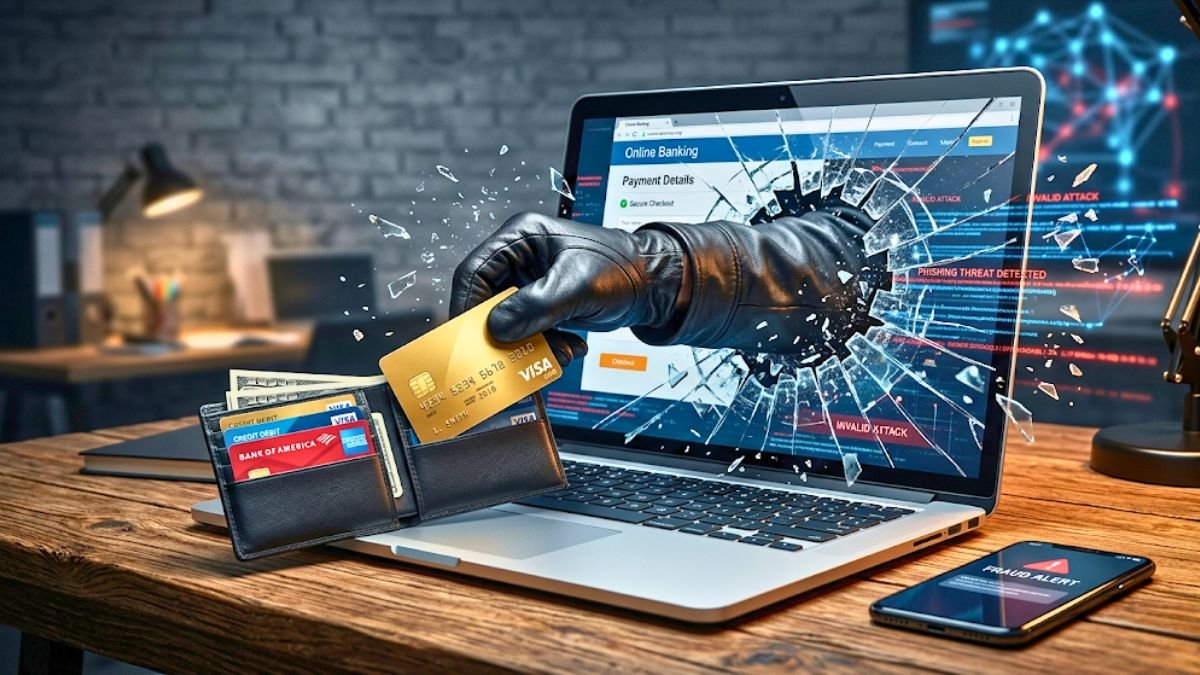
Understanding how identity theft really happens in real life can help you recognize warning signs before serious damage occurs. From phishing scams and data breaches to SIM swapping and synthetic fraud, modern identity theft can affect your finances, credit score, and online accounts faster than most people expect.
Many people assume identity theft only happens after a major hack, but most cases start with small mistakes, reused passwords, unsecured accounts, or leaked personal data. This guide explains common real-world identity theft scenarios, how scammers exploit personal information, and the best ways to reduce your risk.
Table of Contents
Common Real-World Examples of Identity Theft
Identity theft usually happens when criminals find weak points in personal security habits, online systems, or company databases. Here are some of the most common ways these scams happen today.
Corporate Data Breaches
How It Happens
Large companies store huge amounts of customer information, including names, Social Security Numbers, birth dates, email addresses, and home addresses. When hackers exploit security vulnerabilities, millions of records can be exposed at once.
In several well-known breaches over the past decade, stolen customer data later appeared on underground marketplaces where cybercriminals bought and sold complete identity profiles.
Why It’s Dangerous
Unlike passwords, personal identifiers like birth dates or Social Security Numbers rarely change. Criminals may use stolen information years after the original breach to:
- Open new credit accounts
- Apply for loans
- Commit tax fraud
- Create synthetic identities
Key Takeaway
Your personal security also depends on the companies that store your information. Even strong passwords cannot fully protect you from third-party database breaches.
SIM Swapping Attacks
How It Happens
SIM swapping occurs when a scammer tricks a mobile carrier into transferring your phone number to a different SIM card under their control.
Attackers often gather publicly available information from:
- Social media
- Data broker websites
- Previous data breaches
- Phishing scams
Once they convince the carrier to move the number, your phone suddenly loses service.
What Happens Next
After hijacking the phone number, the attacker:
- Requests password resets for email or banking accounts
- Intercepts text-message verification codes
- Gains access to financial accounts or crypto wallets
Some victims have lost significant funds within a short period of time after a successful SIM swap attack.
How to Protect Yourself
- Use app-based authentication instead of SMS codes
- Add a carrier PIN to your mobile account
- Avoid sharing personal information publicly
- Use hardware security keys for sensitive accounts
Synthetic Identity Fraud
How It Happens
Synthetic fraud occurs when criminals combine real personal data with fake information to create an entirely new identity.
For example, scammers may use:
- A real Social Security Number
- A fake name
- A false address
- A fabricated birth date
This fake identity slowly builds a credit history over time.
Why It’s Hard to Detect
Children, seniors, and people with limited credit history are common targets because their files are rarely monitored closely.
Victims often discover the fraud years later when:
- Applying for student loans
- Opening a first credit card
- Applying for a mortgage
Key Takeaway
Regularly monitoring your credit reports and freezing unused credit files can help prevent synthetic identity theft.
Payroll Direct Deposit Scams
How It Happens
Employees sometimes receive phishing emails pretending to come from human resources or payroll departments.
These messages often claim:
- Payroll systems are changing
- Banking details need verification
- Employees must urgently log in
The link leads to a fake login page that steals employee credentials.
The Result
Once attackers access the payroll portal, they quietly change direct deposit information so future paychecks are routed to fraudulent accounts.
Many victims only notice the problem after payday.
How to Stay Safe
- Never click payroll links from unexpected emails
- Verify HR requests directly through internal communication channels
- Use multi-factor authentication on work accounts
- Double-check direct deposit settings regularly
Medical Identity Theft
How It Happens
Medical identity theft occurs when someone uses stolen insurance information to receive healthcare services or prescription medications.
This can happen after:
- Healthcare data breaches
- Clinic database leaks
- Lost insurance cards
- Phishing attacks
Why It Matters
Medical fraud can create:
- Large medical bills
- Insurance claim issues
- Incorrect medical records
- Wrong allergy or blood type information
Some victims only discover the issue after insurance claims are denied or policy limits are unexpectedly reached.
How to Protect Yourself
- Review Explanation of Benefits (EOB) statements carefully
- Report unfamiliar providers or treatments immediately
- Store insurance cards securely
- Monitor healthcare accounts regularly
Common Mistakes That Increase Identity Theft Risk
Many identity theft cases succeed because of simple security mistakes.
Using Public Wi-Fi Without Protection
Accessing financial accounts on unsecured public networks can expose your data to interception.
Reusing Passwords
If one account is breached, attackers may try the same password across multiple websites.
Keeping a Social Security Card in Your Wallet
A lost wallet containing sensitive identification makes identity theft much easier.
Using Real Answers for Security Questions
Information like your pet’s name or school mascot is often publicly available on social media.
Throwing Away Financial Documents Without Shredding
Bank statements, utility bills, and pre-approved credit offers can contain enough information for fraud attempts.
Relying Only on Bank Fraud Alerts
Some attackers intentionally use very small charges first to avoid automated fraud detection systems.
Comparison: Primary Identity Theft Techniques and Countermeasures
| Attack Technique | Real-World Mechanism | Primary Target | Recommended Countermeasure |
| Credential Stuffing | Automated scripts test leaked password combinations across multiple major websites. | Existing checking, savings, and investment accounts. | Overhaul passwords using an encrypted manager and enable app-based 2FA. |
| SIM Swapping | Scammers trick cellular support staff into porting your number to a fresh device. | Text-message-based multi-factor authentication codes. | Upgrade to app-based authenticators or secure a hardware key. |
| Synthetic Fraud | Combining a real, unmonitored Social Security Number with fake personal details. | Long-term credit file stability (often targeting children or seniors). | Execute an immediate security freeze across all three primary credit bureaus. |
| Deed Forgery | Filing falsified title documents with local county clerks to steal home equity. | Outright-owned residential real estate and property equity. | Register for localized county property alerts or deploy title tracking services. |
What To Do If You Suspect Identity Theft
If you notice suspicious activity involving your personal information, act quickly.
Report the Fraud
File a report through the official FTC recovery portal at IdentityTheft.gov.
Freeze Your Credit
Contact:
A credit freeze blocks new accounts from being opened in your name.
Change Compromised Passwords
Immediately update passwords for:
- Email accounts
- Banking apps
- Shopping accounts
- Work portals
Use strong, unique passwords for every account.
Enable Multi-Factor Authentication
App-based authentication is safer than text-message verification.
Review Financial Statements
Look for:
- Unknown charges
- Small test transactions
- Unrecognized account openings
File a Police Report
Some lenders or collectors may require an official police report before removing fraudulent activity.
Contact the IRS if Needed
If tax fraud is suspected, submit IRS Form 14039 to request an Identity Protection PIN (IP PIN).
Frequently Asked Questions
How does identity theft happen in real life?
In real-world scenarios, identity theft rarely involves a single cinematic database hack. Instead, it typically occurs through a combination of corporate data breaches, sophisticated phishing scams, credential stuffing (testing leaked passwords across multiple sites), or social engineering tactics like SIM swapping. Fraudsters piece together fragments of your leaked data—such as your name, address, and Social Security number—to quietly exploit your financial profile.
What is the most common way identity theft occurs?
The most prevalent catalyst for modern identity theft is data exposure from third-party corporate data breaches. When major retailers, healthcare providers, or financial institutions suffer a network breach, millions of unencrypted consumer records are dumped onto underground marketplaces. Cybercriminals then purchase these complete data profiles to open fraudulent lines of credit or launch targeted phishing campaigns.
Can someone steal your identity with just your name and date of birth?
While a name and birth date are generally not enough to open a new credit card or secure a bank loan, they provide fraudsters with the foundational pieces needed to advance an attack. Scammers can use these two identifiers to bypass basic security questions on your existing accounts, run targeted phishing schemes to extract your Social Security number, or execute synthetic identity fraud by blending your real data with falsified information.
What are the first warning signs that your identity has been stolen?
The earliest red flags of identity theft include receiving unexpected authentication text codes, noticing small “test” charges on your bank statements that you didn’t authorize, or finding unrecognized hard inquiries on your credit reports. Other critical indicators include sudden drops in your credit score, missing physical mail (like utility bills or bank statements), or receiving collection calls for debts you never incurred.
What is the difference between traditional identity theft and synthetic identity fraud?
Traditional identity theft involves a criminal directly impersonating you by using your actual name, credit history, and Social Security number to steal funds or open accounts. Synthetic identity fraud, however, occurs when a criminal combines a real, unmonitored Social Security number (often belonging to a child or senior) with an entirely fabricated name, date of birth, and address to manufacture a completely new, artificial identity that slowly builds its own fraudulent credit profile.
Conclusion
Identity theft often begins with small security gaps that go unnoticed until serious financial or account damage occurs. Data breaches, phishing scams, SIM swapping, and synthetic fraud all rely on one thing: easy opportunities.
Simple habits can significantly reduce your risk:
- Use unique passwords
- Enable app-based authentication
- Monitor your credit reports
- Freeze unused credit files
- Review financial statements regularly
Understanding how identity theft really happens makes it easier to recognize threats early and protect your personal information before scammers can exploit it.