Recognizing the key signs someone stole your identity is the most critical line of defense in protecting your financial wellbeing and digital footprint from sophisticated criminals. In a world driven by automated fraud, data breaches occur with frequent regularity, exposing sensitive information to the dark web long before a victim notices any unusual activity.
If fraudulent actors gain access to your Social Security number, banking credentials, or personal profiles, they can quickly open unauthorized accounts, secure loans, or create fake records under your name. Understanding how to spot these indicators early can prevent a minor data exposure from turning into a complex financial and legal challenge.
Table of Contents
The Red Flags: Best Ways to Spot Personal Data Exploitation
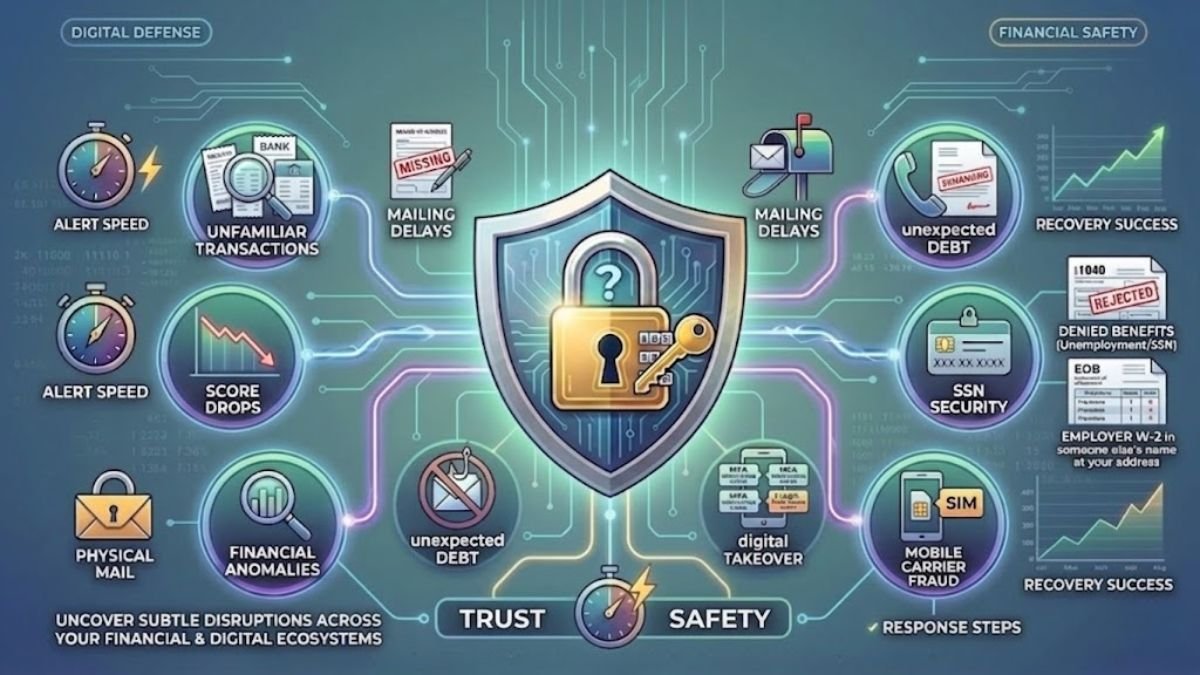
Uncovering an ongoing compromise of your private details requires looking out for subtle disruptions across your banking statements, postal mail, credit profiles, and digital accounts. Because modern bad actors often try to avoid immediate detection, fraud rarely starts with a massive, obvious transaction; instead, it frequently begins with quiet, small-scale anomalies that go unnoticed during standard monthly check-ins.
- Unfamiliar Transactions on Bank or Credit Card Statements: Noticing even a tiny, unauthorized charge—sometimes just a few cents used by a thief to test if a card is active—is one of the earliest warnings that your payment details are compromised.
- Sudden Disappearance of Expected Physical Mail: If your regular utility bills, monthly credit statements, or expected financial documents suddenly stop arriving at your physical address, a criminal may have filed a fraudulent change-of-address form with the postal service to intercept your private mail.
- Unexpected Collection Calls or Letters: Receiving demanding phone calls or formal notices from debt collectors regarding accounts, unpaid medical balances, or retail store credit cards you never opened is a clear confirmation of fraud.
- Unexplained Drops in Your Credit Scores: Monitoring your credit history and seeing a sudden, significant drop in your rating without a personal increase in utilization or late payments indicates that a malicious actor is mismanaging a profile opened in your name.
- Receiving Pre-Approved Card Offers in Someone Else’s Name: Finding credit card applications or pre-qualified loan offers in your physical mailbox that display your exact home address but list a completely different name can point to synthetic account creation fraud.
- Mysterious Authentication Alerts or Password Reset Emails: Getting unsolicited text verification codes, multi-factor authentication (MFA) prompts, or account password reset links from your email or banking providers means an outsider is actively trying to breach your accounts.
- Rejection When Applying for Legitimate Credit or Financing: Being unexpectedly denied a standard auto loan, a mortgage, or a new credit card due to a poor credit profile—despite knowing you have practiced diligent payment habits—is a primary indicator of hidden fraudulent activity.
- Unfamiliar Hard Inquiries on Your Credit Reports: Reviewing your official files from Equifax, Experian, or TransUnion and spotting “hard inquiries” from lenders or auto dealerships you have never visited means someone is actively attempting to secure financing using your details.
- Receiving Tax Documents for an Unknown Employer: Getting a random W-2 form or a 1099 form from a company you have never worked for indicates that a bad actor is using your Social Security Number to obtain employment or pass background checks illegally.
- Rejection of a Legitimate Tax Return Filing: Attempting to submit your annual federal or state income tax return only to have the IRS reject the electronic filing because a return has already been submitted under your Social Security Number is a clear sign of tax refund fraud.
- Unexplained Denial of Government Benefits: Discovering that your legitimate application for state unemployment benefits, disability support, or Social Security assistance is denied because the system shows you are already receiving those payouts indicates profile exploitation.
- Inaccuracies in Your Medical History Explanations: Reviewing an Explanation of Benefits (EOB) statement from your health insurance provider and noticing charges for medical procedures, prescription drugs, or doctor visits you never received means your identity is being used for medical fraud.
- Reaching Maxed-Out Limits on Health Insurance Policies: Finding out from your medical provider that you have hit your maximum lifetime caps or annual coverage limits due to hidden medical bills you didn’t incur confirms someone is using your insurance details.
- Receiving Traffic Tickets or Warrant Notices for Unknown Jurisdictions: Getting official legal notices, traffic camera fines, or court summonses from cities or states you have never visited indicates a thief gave your personal details to law enforcement during an arrest or traffic stop.
- Sudden Inability to Log Into Vital Online Portals: Finding yourself locked out of your primary email, banking app, or cellular account because your password or recovery email was changed without your permission points to a targeted takeover attack.
- Unexplained Account Openings on Your Credit Record: Spotting entire tradelines, retail store cards, or personal lines of credit on your credit reports that you do not recognize means a criminal has bypassed basic security checks to open new credit lines.
- Unsolicited Mobile Carrier Notifications About Device Swaps: Receiving a random text message from your cellular network provider thanking you for activating a new SIM card or updating your device profile is a strong warning of a “SIM swap” attack designed to hijack your phone calls and text-based security codes.
- Unusual Active Device Logs in Your Email Settings: Checking the security settings of your primary digital profiles and seeing successful logins from unknown smartphones, laptops, or foreign IP addresses confirms your digital persona is compromised.
- Finding Random Inquiries for Payday Loans or Cash Advances: Seeing inquiries or receiving aggressive collection emails regarding high-interest short-term payday loans or alternative online funding lines you never requested points to fast-acting fraud.
- Unexplained Business Registrations in Your Name: Discovering via public state records or corporate databases that an LLC, corporation, or small business has been officially registered using your legal name and home address is a sign of commercial fraud.
- Receiving Direct Deposit Interruption Notifications From Work: Getting an automated alert from your employer’s HR department confirming a successful update to your payroll direct deposit bank routing numbers—when you made no such change—points to internal corporate portal exploitation.
- Random Utility Company Notifications About New Service Lines: Getting a welcome email or a physical letter from an electric, gas, water, or internet provider thanking you for setting up service at a foreign address means someone is using your identity to establish housing utilities.
- Unexplained Bounces on Routine Checks or Automated Payments: Having your standard automated bills or checks fail unexpectedly because a bank account was closed, restricted, or frozen due to “suspicious activity” investigated by the bank’s internal fraud unit is a major warning sign.
- Finding Public Record Entries for Crimes You Didn’t Commit: Discovering during a routine background check for a new job or apartment lease that you have a criminal record or an active misdemeanor charge under your name confirms physical identity exploitation.
- Unsolicited Debt Settlement or Credit Repair Outreach: Receiving highly targeted, unsolicited phone calls or letters from credit counseling or debt consolidation firms offering to clean up your specific, damaged accounts implies that a string of fraudulent accounts has entered the public record.
The Most Critical Factors That Influence Personal Fraud Detection
Understanding how data exploitation manifests across different financial ecosystems allows you to prioritize your monitoring efforts effectively, helping you isolate and eliminate security threats before they compound.
The Predictive Power of Hard Inquiries
- The Early Warning System: Hard inquiries occur whenever a financial institution reviews your file to approve a new application, making them a highly reliable real-time indicator of attempted identity theft.
- Why It Matters: Because credit inquiries appear on your report instantly, checking these entries allows you to spot an identity thief before they successfully complete a purchase, take delivery of a vehicle, or clear a line of credit.
- Distinguishing Hard vs. Soft Inquiries: Soft inquiries (like personal credit monitoring checks or pre-approved marketing offers) do not affect your standing or imply fraud; only unapproved hard inquiries require immediate protective action.
The Stealth Danger of Synthetic Identity Theft
- The Phantom Profile: Synthetic fraud does not rely on stealing your entire background; instead, bad actors combine your real, unmonitored Social Security Number with a completely fake name, date of birth, and physical address.
- Exploiting Clean Slates: This tactic is highly challenging to detect because it frequently targets the Social Security Numbers of children, seniors, or individuals with limited history who have no reason to pull regular reports, allowing the fraud to grow for years.
- The Long-Term Damage: Because the fake name doesn’t match your true name, standard credit alerts may not catch the activity, meaning the fraud is often only discovered when the victim applies for their first major student loan or mortgage.
Common Mistakes to Avoid When Monitoring For Data Compromise
Weeding out fraud early requires removing blind spots in your personal security habits that could allow warning indicators to slip past your radar:
- Relying entirely on free credit tracking apps: Many free consumer apps only monitor one or two bureaus, leaving you blind to fraudulent applications filed on the third bureau’s network.
- Ignoring tiny or strange single-dollar line items: Dismissing a random $1.50 charge at a gas station or online store as a simple mistake can leave the door open for hackers who use small transactions to verify your details before executing a larger sweep.
- Assuming a credit freeze protects existing accounts: A freeze prevents thieves from creating new accounts, but it does not stop a criminal who has compromised your existing credit cards or checking balances.
- Failing to review annual medical insurance summaries: Tossing your health insurance EOB statements into the recycling without reading them allows medical identity thieves to drain your health benefits and alter your permanent medical history records.
- Neglecting the digital security logs of your backup email: Failing to monitor the old, secondary email account you use for account recoveries can allow hackers to quietly reset your banking passwords without your knowledge.
Comparison: Subtle Warning Signals vs. Critical Fraud Indicators
| Indicator Type | Warning Signal | Critical Indicator | Recommended Action |
| Financial Accounts | An unknown pre-authorization charge that disappears within 48 hours. | Multiple active checking accounts or credit cards listed on your bureau reports that you never opened. | Contact the fraud department of the issuing bank immediately to close the line. |
| Postal Mail | A slight delay in the arrival of your weekly credit card or utility statements. | Official collection agency letters or court summonses for unpaid debts under your name. | Pull all three credit reports via AnnualCreditReport.com and file an official identity dispute. |
| Digital Profiles | An email notification showing a successful login from a nearby city you recently visited. | A complete loss of mobile phone signal accompanied by a carrier message about a SIM change. | Call your mobile network operator immediately from an alternative line to secure your number. |
| Tax & Medical | A general data breach notification from an online retailer you used years ago. | An official notice from the IRS stating that your annual tax return is a duplicate filing. | Submit IRS Form 14039 immediately and secure a unique Identity Protection PIN (IP PIN). |
How to Respond If You Discover Signs of Identity Compromise
If you recognize any of these warning signs across your personal or financial accounts, executing an organized, rapid response plan can mitigate the long-term fallout.
- File an Official Report with IdentityTheft.gov: Go to the federal recovery platform managed by the Federal Trade Commission (FTC) to log the fraud and generate a legally binding recovery plan to present to creditors.
- Enact an Immediate Multi-Bureau Credit Freeze: Log into Equifax, Experian, and TransUnion individually to freeze your files, ensuring no further unauthorized accounts can be generated while you fix the damage.
- Secure a Local Police Report: Visit your local law enforcement agency to file an official identity theft report, which provides necessary legal leverage when dealing with debt collectors who refuse to clear fraudulent lines.
- Audit and Update Every Single Password: Use a secure password manager to overhaul your digital security, replacing all account passwords and enabling app-based two-factor authentication (like Google Authenticator or Duo).
Frequently Asked Questions (FAQ)
Can someone steal your identity if they only have your phone number?
While they cannot open a bank account with just a phone number, they can use it to execute targeted phishing text attacks, look up your public address via data broker sites, or attempt a SIM-swap attack to hijack your multi-factor authentication codes.
How long does it take to discover that your data has been compromised?
According to industry security data, it takes an average consumer anywhere from several months to a year to discover identity theft if they rely on manual checking alone, which highlights the value of automated alerts.
What should I do if I find a hard inquiry I don’t recognize?
Contact the specific lender listed on your credit report immediately and ask for their fraud department. Inform them that you did not authorize the application and ask them to remove the inquiry from your bureau file.
Does a credit freeze stop identity thieves from using my Social Security Number?
A credit freeze stops a thief from using your number to open new financial accounts, but it cannot stop them from using your Social Security Number to file a fake tax return, claim unemployment benefits, or commit medical fraud.
Trust Disclaimer
Credit monitoring capabilities, reporting cycles, and federal identity theft recovery laws vary based on regulatory changes and individual state jurisdictions. Early detection limits financial exposure but cannot completely prevent data theft. Always confirm specific credit dispute rules with official consumer protection agencies like the Consumer Financial Protection Bureau (CFPB) or the Federal Trade Commission (FTC).
Conclusion
Uncovering the signs someone stole your identity requires a structured habit of digital awareness rather than an occasional glance at your bank balances. By treating minor anomalies—like an unexpected text alert, a missing utility bill, or an unverified hard inquiry—with immediate caution, you build strong protection against modern fraud. Taking fast, decisive steps like freezing your credit reports and reviewing your official files ensures you can eliminate data security threats early, preserving your credit rating, safeguarding your financial savings, and maintaining complete peace of mind.